

5 Fort Worth OCD Therapists [Now Accepting Clients]
Living with OCD can feel exhausting—intrusive thoughts, time-consuming rituals, and the constant search for certainty can take over your days. At Noyau Wellness Center, our OCD therapists in Fort Worth offer compassionate, evidence-based care to help you understand your patterns, reduce anxiety, and begin reclaiming the life you want.
Jump to a therapist
Good fit for mindfulness-based OCD therapy: Tristin Tice
Good fit for families: Christina Iversen
Good fit for children and teens: Lauren Hernandez-Short
Good fit for young adults: Karina Rumans
Good fit for trauma-informed OCD treatment: Charity Hagains
Meet our OCD counselors
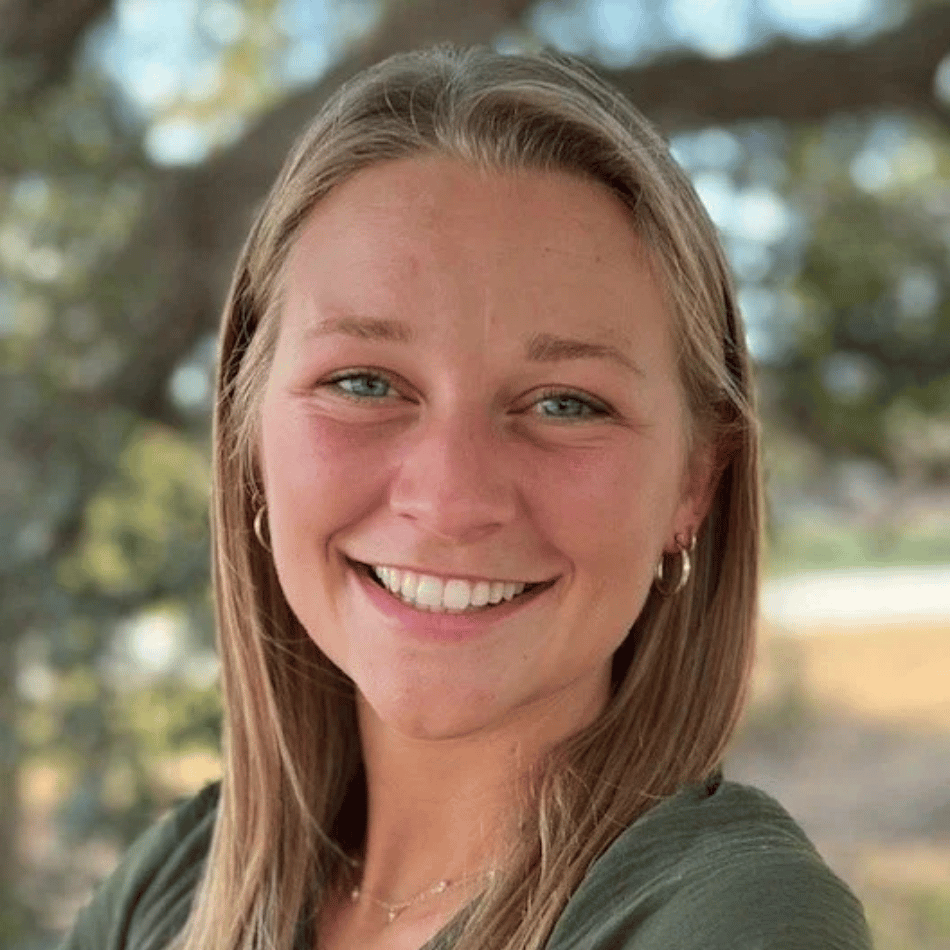
Tristan Richardson
Good fit for mindfulness-based OCD therapy
Tristin blends mindfulness, person-centered therapy, and CBT to help you build strong, lasting tools for managing OCD-related stress. She offers a calm, supportive space where you can see obsessions from a new perspective and learn practical coping strategies you can use long after therapy ends.
Credentials: Licensed Professional Counselor Associate #94806
Location: 1701 River Run Suite 805, Fort Worth, TX 76107
Virtual therapy?: Yes

Christina Iversen
Good fit for families
Christina uses a person-centered, compassionate approach rooted in cognitive-behavioral therapy to help individuals and families respond to OCD with clarity and balance. Her background in rehabilitation counseling and medical research gives her a deep understanding of how OCD can show up alongside chronic conditions, allowing her to teach practical coping strategies that truly fit your daily life.
Credentials: Licensed Professional Counselor
Location: 1701 River Run Suite 805, Fort Worth, TX 76107
Virtual therapy?: Yes

Lauren Hernandez-Short
Good fit for children and teens
Lauren partners with parents and children using a blend of play therapy and holistic talk therapy to help young clients express and process OCD-related feelings and behaviors. With her trauma-informed care and deep awareness of neurodivergence, she helps children build emotional insight and healthy coping skills, guiding them toward greater confidence, calm, and resilience.
Credentials: Licensed Professional Counselor #88972
Location: 1701 River Run Suite 805, Fort Worth, TX 76107
Virtual therapy?: Yes
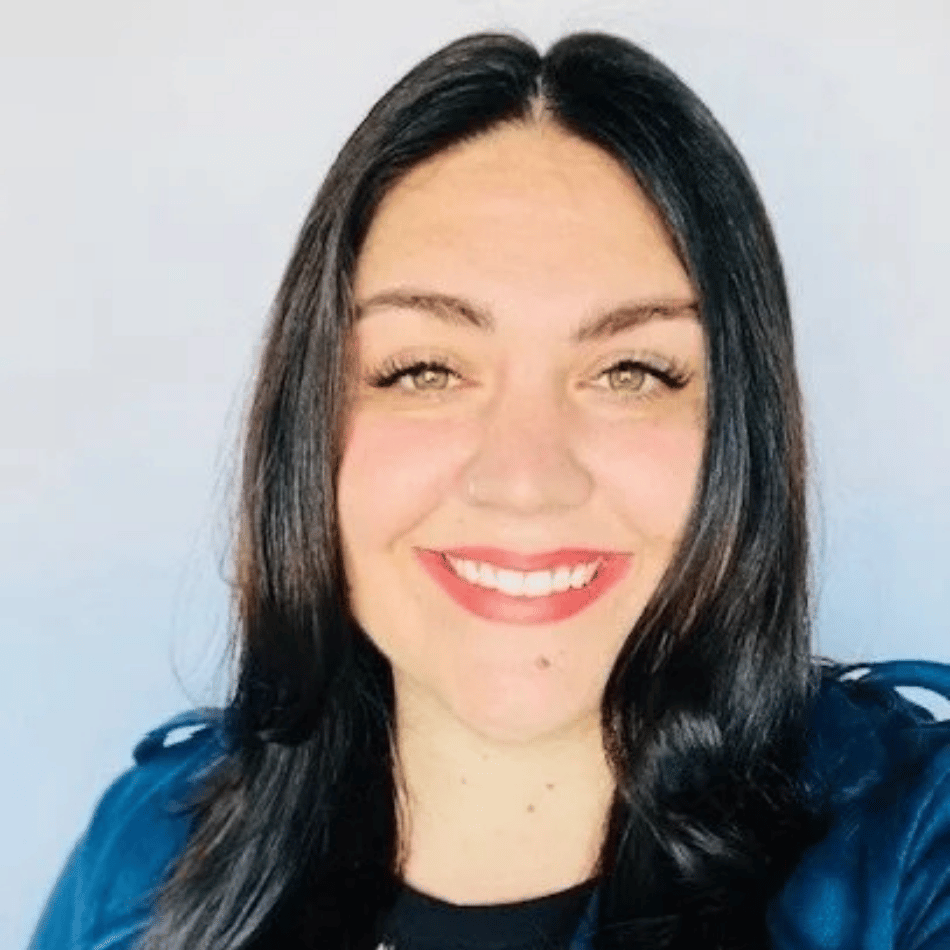
Karina Rumans
Good fit for young adults
Karina helps you become the author of your own story, using a narrative, solution-focused approach that resonates especially well with young adults facing OCD. She provides a safe, non-judgmental space where you can gently examine anxiety patterns, learn practical tools, and build healthier ways to respond to intrusive thoughts and compulsions.
Credentials: Licensed Professional Counselor Associate #95364
Location: 1701 River Run Suite 805, Fort Worth, TX 76107
Virtual therapy?: Yes

Charity Hagains
Good fit for trauma-informed OCD treatment
Charity draws on her EMDR training alongside deep expertise in anxiety and panic disorder treatment to help you gently explore the root causes of OCD patterns. With more than 15 years of experience, she fosters a collaborative, non-judgmental space where you can safely face difficult thoughts and begin breaking compulsive cycles.
Credentials: Licensed Professional Counselor, Approved Supervisor, EMDR Trained
Location: 1701 River Run Suite 805, Fort Worth, TX 76107
Virtual therapy?: Yes
What sets our practice apart from other Fort Worth OCD therapy providers
At Noyau Wellness Center, our team brings more than 20 years of experience in holistic, evidence-based care that goes beyond managing symptoms—we help you understand and heal the patterns beneath them.
Comprehensive expertise: Our therapists are trained in CBT, EMDR, mindfulness-based approaches, and trauma-informed care.
Whole-person focus: We consider the mind-body connection and how OCD impacts your health, relationships, and daily wellbeing.
Flexible support: Choose in-person or virtual sessions across Dallas and Fort Worth, based on what fits your life.
Family-centered care: We collaborate with families and offer specialized services for children and adolescents.
Real-world skills: Therapy includes practical tools you can start using right away — not just insight, but actionable change.
Personalized treatment: Your therapist tailors each session to your unique patterns, strengths, and goals.
With a seasoned team of senior clinicians and specialists, we offer compassionate, results-driven support to help you move forward with confidence.
Common reasons why people seek OCD therapy
Spending large parts of your day on rituals or mental compulsions that interfere with work, school, or relationships.
Intrusive thoughts that feel overwhelming or out of character, including violent, sexual, or disturbing images that don’t reflect your values.
Feeling the urge to check things repeatedly (locks, appliances, emails) even when you know they’re already done.
Fears of contamination that lead to excessive hand-washing, cleaning, or avoiding certain places.
Needing symmetry, order, or a specific “just right” feeling that takes significant time or energy.
Struggling to finish tasks because perfectionism or fear of mistakes gets in the way.
Relying on mental rituals, like counting, repeating phrases, reviewing conversations, to temporarily ease anxiety.
Doubting your relationship or seeking constant reassurance from your partner.
Experiencing religious or moral worries that bring intense guilt or a need to confess or seek forgiveness.
Avoiding people, places, or situations that might trigger obsessive thoughts.
Feeling caught in a cycle where compulsions bring short-term relief but make the patterns feel stronger over time.
Noticing depression, exhaustion, or hopelessness from the ongoing mental and emotional toll of OCD.
What to expect from OCD treatment
Step 1. Initial assessment and goal setting
Your OCD counselor will take time to understand your unique patterns: how long they’ve shown up, what triggers them, and how they’re affecting your daily life. Together, you’ll set meaningful goals and create a personalized path forward.
Step 2. Building awareness and understanding
You’ll learn how OCD operates in the brain, why compulsions bring only temporary relief, and how anxiety naturally settles when rituals decrease. This phase helps you recognize that intrusive thoughts aren’t dangerous, and that shifting your relationship with them is a powerful part of healing.
Step 3. Developing new response patterns
Using evidence-based approaches like CBT and mindfulness, your OCD counselor will guide you in practicing new ways of responding to intrusive thoughts. You’ll work through manageable challenges at a pace that feels safe, building confidence as you learn to tolerate uncertainty and reduce compulsive behaviors.
Step 4. Sustaining progress and building resilience
As these skills strengthen, you’ll notice obsessions losing their intensity and compulsions feeling easier to resist. Your therapist will help you maintain momentum, navigate setbacks, and continue developing long-term resilience so you can thrive well beyond your time in therapy.
FAQs about OCD therapy
-
Cognitive-behavioral therapy (CBT), especially Exposure and Response Prevention (ERP), is considered the most effective approach for OCD. ERP helps you gradually face triggering situations while learning to resist compulsions. At Noyau Wellness Center, our OCD counselors blend CBT with mindfulness, EMDR for trauma-related symptoms, and person-centered therapy to create a treatment plan tailored to your unique needs.
-
The length of OCD therapy varies from person to person. Many clients begin noticing improvement within 12–20 sessions, while others with more complex or long-standing symptoms may benefit from longer-term therapy. Your therapist will collaborate with you to set expectations and adjust the plan as you grow.
-
Yes. Many people successfully treat OCD through therapy alone, particularly with CBT and ERP. For some, combining therapy with medication provides additional support. Your therapist can help you explore whether medication might be helpful and coordinate care with a psychiatrist if needed.
-
The goal of therapy isn’t to eliminate intrusive thoughts altogether—everyone experiences unwanted thoughts from time to time. Instead, therapy helps you relate to these thoughts differently so they no longer feel threatening or dictate your behavior. As your skills strengthen, intrusive thoughts typically become less distressing and less frequent.
-
The 15-minute rule is a gentle tool used in some OCD treatment plans. Instead of acting on a compulsion immediately, you delay it for 15 minutes while practicing coping strategies like grounding or mindfulness. Often, the urge decreases on its own, helping you build confidence in resisting compulsions over time. Your OCD counselor can guide you in using this technique safely and effectively.
-
Getting started is simple. You can book a free consultation, let us know what you’re experiencing, and we’ll help match you with an OCD therapist in Fort Worth who fits your needs. From there, you’ll work together to create a compassionate, personalized plan that supports you at every step.