

3 Dallas & Fort Worth Phobia Therapists [Now Accepting Clients]
Fear can make your world feel smaller, one choice at a time: the flight you avoid, the route you change, the appointment you postpone. At Noyau Wellness Center, our Dallas and Fort Worth therapists offer phobias therapy to help you understand your fear, calm your body’s response, and move toward freedom with support.
Who we work with
Phobias can affect everyday life in ways other people may not see. Our Dallas and Fort Worth therapists support teens, adults, and couples whose choices, routines, or relationships are being shaped by intense fear or avoidance.
We commonly help clients who are:
Avoiding flights, highways, bridges, elevators, or crowded spaces.
Putting off medical, dental, or necessary appointments because of fear.
Struggling with animal, insect, storm, height, or vomiting phobias.
Experiencing panic symptoms tied to specific places or situations.
Carrying fear connected to a past traumatic experience.
Worried their phobia is affecting their family, work, or confidence.
If fear has started deciding what you can and cannot do, a phobias therapist can help you move forward with more support, clarity, and control.
Meet our Dallas & Fort Worth phobia therapists
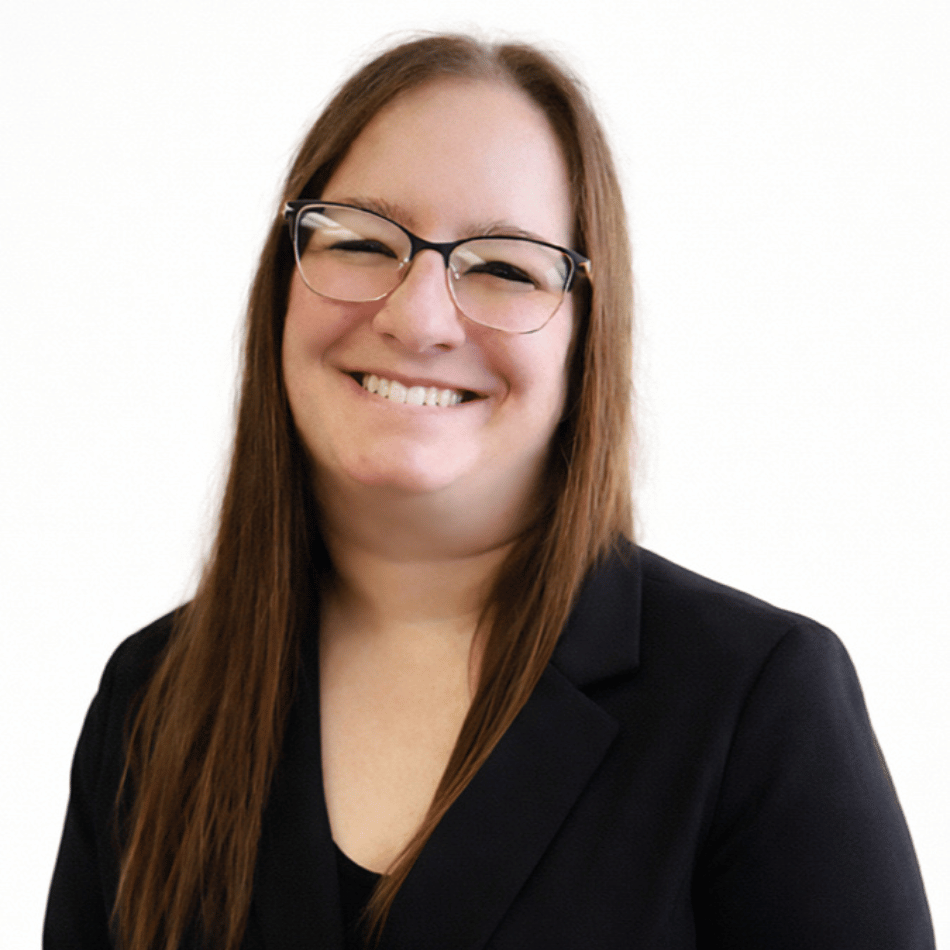
Katelynn Wright
As a former 9-1-1 dispatcher, I understand how fear can take over the body in intense, high-stakes moments. I bring that real-world experience into phobias therapy, along with training in Prolonged Exposure and Cognitive Processing Therapy. My style is grounded, supportive, and refreshingly genuine, with enough honesty and humor to help hard work feel possible. I’m a strong fit for clients who want evidence-based care that still feels deeply human.
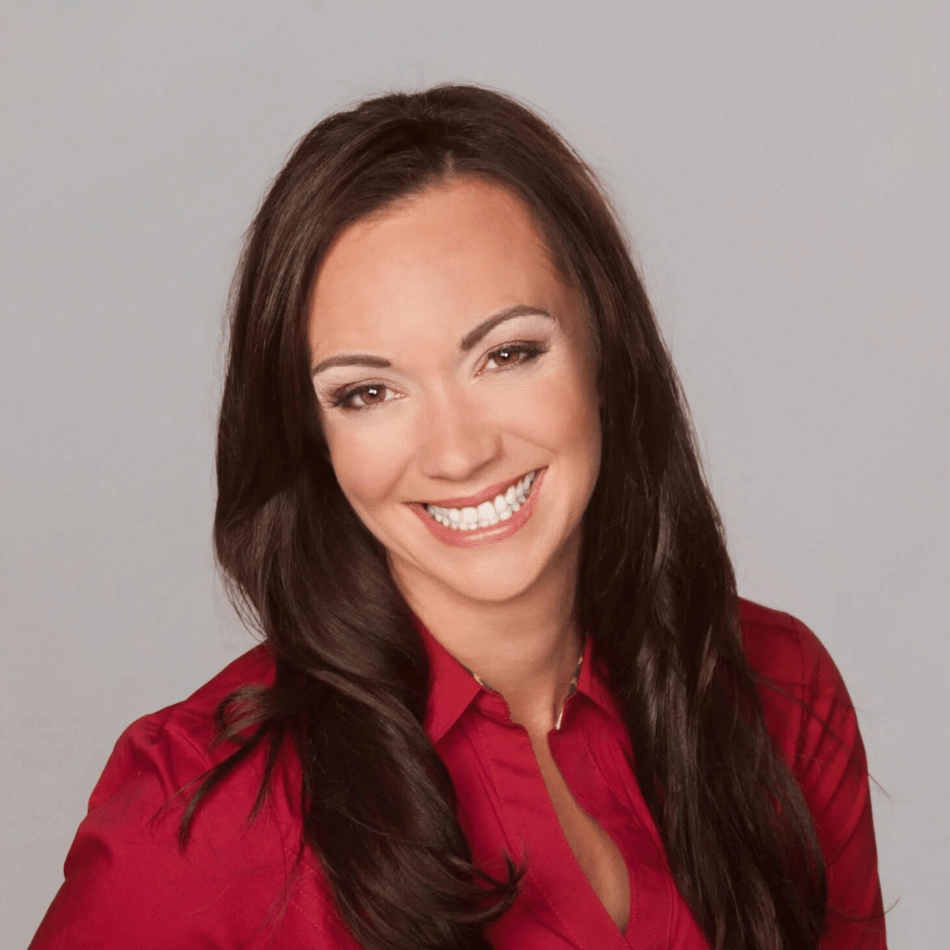
Charity Hagains
With more than 15 years of experience, I help clients look beneath the phobia and understand what their mind and body learned to fear. As Co-Founder of Noyau Wellness and an EMDR-trained therapist, I bring depth, warmth, and a holistic lens to phobia therapy, especially when fear is tied to trauma, panic, or past distressing experiences. Clients often choose me when they want a seasoned phobias therapist who is collaborative, compassionate, and results-focused.
Offers phobia therapy ✓
Credentials: Licensed Professional Counselor, Approved Supervisor, EMDR Trained
Specialty Areas: Anxiety, Panic Disorder, Phobias, Depression, Family/Parenting, Self-Esteem, EMDR Therapy
Location: 1701 River Run, Ste 805, Fort Worth, Texas
Virtual Therapy?: Yes
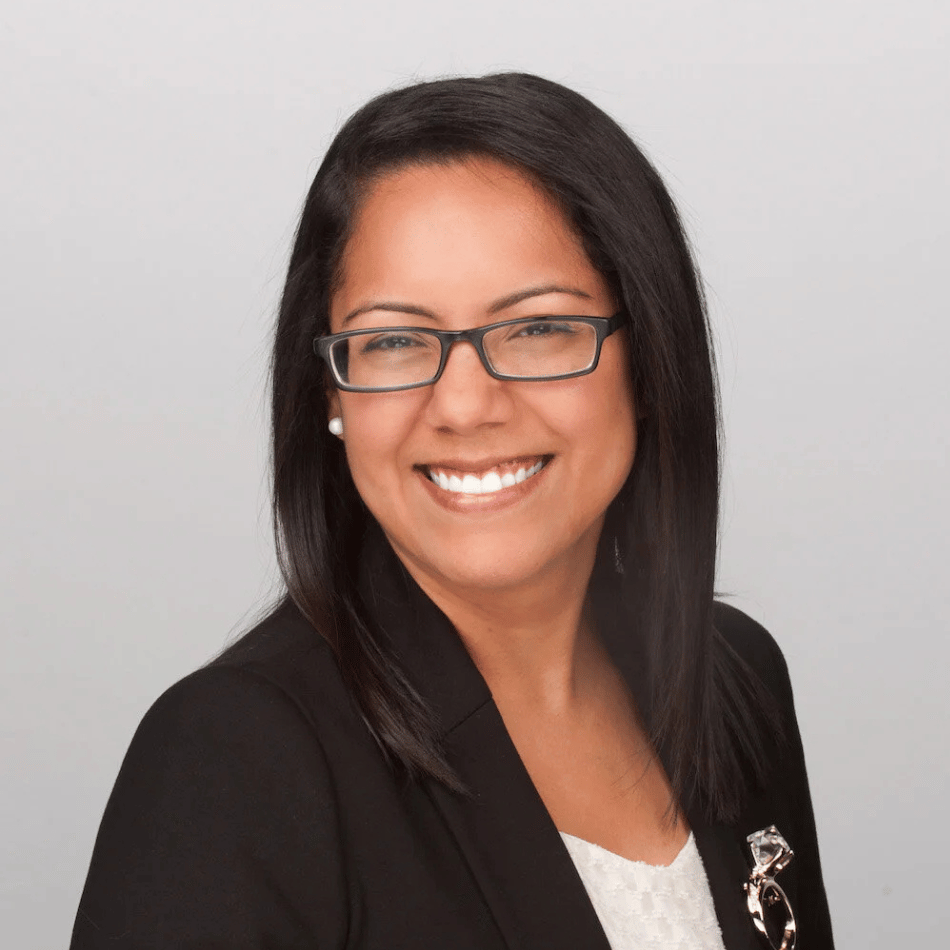
Justine Guzman
I help clients work through phobias with a direct, intentional approach that balances compassion with meaningful progress. As an EMDR-trained therapist, I support clients in understanding where the fear started, how it shows up in the body, and what keeps the avoidance cycle going. Clients often choose me for phobias therapy when they want a culturally aware, LGBTQ-affirming therapist who will help them feel accepted while still challenging them toward real change.
Offers phobia therapy ✓
Credentials: Licensed Professional Counselor #75160 (TX), Licensed Professional Clinical Counselor #5372 (MN); EMDR Trained; Gottman Level 2 Trained
Specialty Areas: Phobias, Relationships/Sex, Families, Eating Disorders, LGBTQ+
Location: Virtual
Virtual Therapy?: Yes
How phobia therapy can help
Make your life feel bigger again
Phobias can quietly decide where you go, what you avoid, and how much freedom you feel in your own life. Therapy helps you gently rebuild confidence around the places, objects, or situations that have started to feel off-limits, so you can return to more of the life you want.
Understand what your fear is trying to protect you from
Phobias are not “silly” or irrational when you understand how the nervous system learns fear. In phobia therapy, your therapist helps you explore where the fear began, what keeps it going, and how to respond to it with more compassion, clarity, and control.
Calm the body’s alarm response
A phobia can feel like your body is reacting before your mind has a chance to catch up. Through approaches like EMDR, exposure-based therapy, and brainspotting, therapy helps your nervous system learn that the trigger is not as dangerous as it feels in the moment.
Build confidence that lasts outside of therapy
The goal is not just to get through one flight, appointment, or elevator ride. A skilled phobias therapist helps you build tools you can use in real life, so fear has less power over your choices, and you feel more grounded when anxiety shows up again.
Common reasons to seek phobia therapy
You feel frustrated that logic doesn’t make the fear go away, even when you know you’re safe.
You feel your body react instantly (racing heart, nausea, shaking, sweating, or panic) before you can talk yourself down.
You spend a lot of mental energy planning around the fear, preparing for it, or recovering after facing it.
You feel embarrassed, ashamed, or misunderstood when other people minimize the phobia.
You have started saying “no” automatically because avoiding the fear feels easier than explaining it.
You feel trapped between wanting more freedom and not knowing how to get there safely.
You worry that the fear will keep growing if you do not address it now.
You want therapy that helps you understand the fear at the root, not just push through it.
What to expect from the therapy process
Step 1. Schedule a free consultation call
We’ll start by learning more about what you’re experiencing and matching you with a therapist whose training, personality, and approach fit your specific phobia.
Step 2. Build a personalized treatment plan
In your first sessions, your therapist will help you identify your triggers, avoidance patterns, body responses, and any past experiences that may be connected to the fear.
Step 3. Practice, progress, and reclaim your life
You and your therapist will create a personalized plan for phobias therapy using approaches like EMDR, brainspotting, exposure-based work, or a blend. Together, you’ll take manageable steps toward feeling safer, more confident, and less controlled by fear.
FAQs about phobia therapy
-
The most effective approach depends on the person and the phobia. Some clients benefit from exposure-based therapy, while others need EMDR, brainspotting, CBT, or a blend of approaches. At Noyau Wellness Center, your therapist will personalize therapy around what your nervous system needs, rather than forcing every client into the same process.
-
The timeline depends on the type of phobia, how long it has been present, and whether it connects to trauma, panic, or other anxiety symptoms. Some clients notice meaningful progress within a few months, while others benefit from deeper, longer-term work. Your therapist will help you understand what feels realistic after learning more about your experience.
-
Yes, EMDR can be helpful for phobias, especially when the fear connects to a past experience, panic episode, accident, medical event, or traumatic memory. EMDR helps the brain reprocess what it learned as dangerous, so the trigger can feel less intense and less controlling over time.
-
Phobias can absolutely improve with the right support. The goal is not to shame you out of fear or tell you to “just get over it.” A skilled phobias therapist can help you understand the fear, calm your body’s response, and gradually build confidence so the phobia no longer has to run your life.
-
Not right away, and never without preparation. Good phobia treatment is collaborative and paced with care. Your therapist may help you build grounding tools, understand your triggers, or use EMDR or brainspotting before moving toward real-life practice. When exposure is part of therapy, it happens gradually and with your consent.
-
Noyau Wellness Center is not directly paneled with insurance, which allows your care to stay more private, personalized, and guided by your needs rather than insurance limits. However, our team can file out-of-network claims on your behalf, and many clients receive partial reimbursement depending on their plan.